Blog Feed

What’s In My Gut?

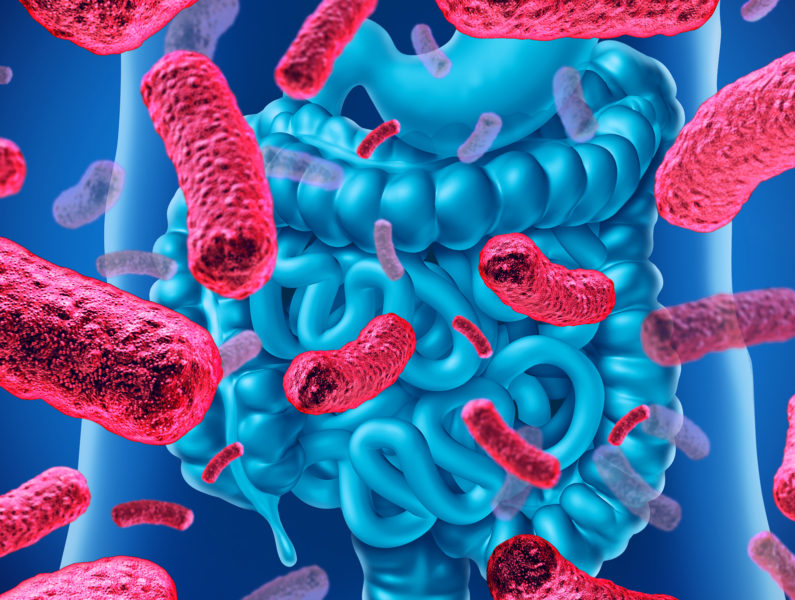
When you think of healthy, you usually think of what you eat and how much you exercise right? Well, yes, but much more than just that. The microbiome, which is attributed to many factors since you were born, is basically the ecosystem of our body.  According to Leeming, diet plays a 50% role in our microbiome, soooo sticking to the leafy greens and lean meats, might do you well. Along with diet, the microbiome is vastly composed during birth and breastfeeding. At age 3, a child’s microbiome is in full effect. This means that his immune system is now functioning as anyone else’s would, then he can adapt it as he goes throughout life.

If your microbiome is happy, that probably means you are… well your body is with you. The microbiota changes daily, such as with hunger and anything you put into your body, but that doesn’t mean it is changing drastically. To make a real impact in your microbiota, and your health you have to change your lifestyle, BUT with a healthy microbiota, you’re in for endless advantages. Our microbiota controls our “metabolism, body weight, propensity to illness, immune system, appetite, and mood,” therefore if we take care of ourselves, and have a good inheritance, our chances of a healthy life are much higher.

With a diverse microbiota, meaning an abundance of (nice) bacteria, our chances of having any sort of chronic diseases and allergies goes down by a landslide. Chances of getting a few points deducted in this occur during caesarean section as well as not being breast fed. We inherited all of those healthy bacteria during birth and with our mom’s breast milk, enhancing our immunity and giving us a boost at life. So, all in all, thank your mom if you’re free from diabetes, obesities, allergies, and any sort of disease basically (and your diet). Some ways to increase your chances at life include: eating more fiber, eating lots of fruits and vegetables, getting lots of antioxidants in your diet (blueberries!), and snack less (a problem for most of us).
Coronavirus: The Updated Version

Coronavirus might be harder to control than we predicted. Even with all of the efforts trying to minimize the spread, it is continually spreading like a wildfire. We really don’t know much about the new, reemerged virus, but microbiologists are in full swing trying to figure it out. A vaccine is not yet around, but methods can be done to prevent this deadly disease. Things you MUST do to keep safe include: washing your hands VERY frequently for at least 20 minutes each time, avoid touching your face with your hands, and don’t go near large crowds, because you never know who is sick!  

Like many other diseases, microbiologists are almost certain that coronavirus is spread from person to person through large droplets, meaning it is extremely contagious, so you should be cautious. Most diseases discussed in MCRO 251 affect the respiratory system, and 2019-nCov doesn’t fall far from the tree. It causes the same symptoms as basically any other infectious disease, until the symptoms completely take over. This includes: “runny nose, headache, cough, sore throat, and fever”. When things begin to get serious, it leads to pneumonia, kidney failure, and in the case of many in China, death.

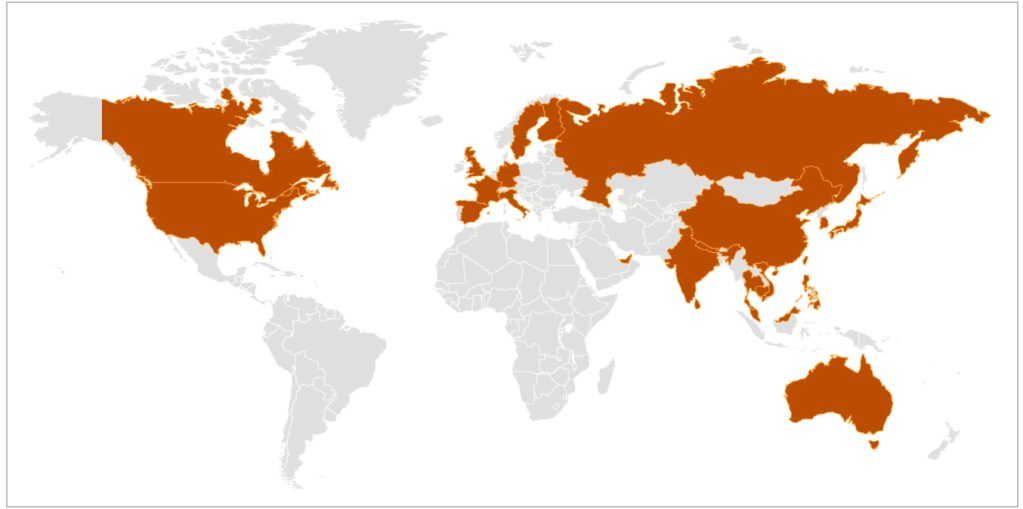
You would think since the virus started in Wuhan, China, we would have no reason to be worried, but think again. China is still in deep despair, as they have reached a whopping 811 deaths. Only 2 deaths have occurred outside of China, but that doesn’t mean there aren’t more to come. The United States has gradually increased the amount of cases of the infection to 12, and although this does not seem like a drastic number, there is no telling of how much more this could spread. Everyone must stay on their toes, and hopefully a stronger prevention method will emerge.

Did You Get Your Vaccine?

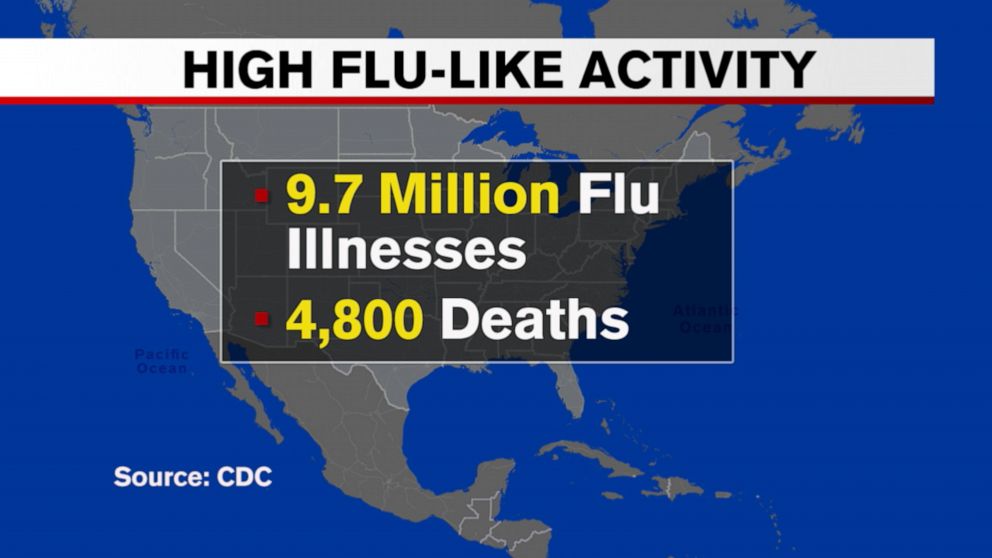
The flu is back at it again, so what does that mean we should do? Well, start washing your hands, STOP touching your face, and get the vaccine! We’re so used to the commonality of the flu, were barely phased by it. In reality we should be frightened for our lives, because it is known to snatch them right out from under us. The 2017-2018 flu killed an estimated 79,000 people, but you probably didn’t think about that as you were deciding if you should get the flu shot this year or not.

This year, the 2019-2020 flu has pretty much knocked the wind right out from under us, and we can blame Influenza B. Since the beginning of flu season, rates of infected peoples are much higher than normal, according to CDC, which is quite concerning. If this is the case, what is stopping you from getting your vaccine? It is an alarming amount of people who don’t get the vaccine in the US, when you can go to any drug store and get it for free. Herd immunity is a real thing, so the more people who get it, the merrier.

Some people thing that since the flu is always shifting, and the vaccine has a small chance of matching it exactly, what’s the point?? False. The flu vaccine can range from being 40%-60% effective,  but anything will help. Although the 2019-2020 vaccine has shown to not be as effective as it has been in years past, that shouldn’t prevent you in getting it. Getting the flu shot gives you a 50% more likely chance of not getting the flu, so if I were you I wouldn’t risk it. Don’t be an anti-vaxxer, and help with some herd immunity.  

Image result for flu 2020 deaths

Can I Get Coronavirus??

What is this new virus that everyone is talking about where everyone seems to be dying? An outbreak occurred in Wuhan, China in early December, causing a major stir up. Coronavirus has already spread around the world, infecting more than 12,000 people, and killing 250. It must be serious, because schools are closing, flights are canceling, and Wuhan City is basically shut down. Not much is yet known about the virus, but its slowly spreading to the United States, which means we should be worried.

Coronavirus seems to non-lethal, unless the one infected is young, old, or immunocompromised. Before the infection becomes too dangerous, the symptoms appear as cold or flu symptoms, which may be a reason that it has spread so drastically. This includes cough, fever, and shortness of breath, leading to respiratory problems, and then kidney failure and death. When the symptoms are nonexistent or very minimal, people are still active in their day to day lives, just like at the seafood market in Wuhan, where it believed to originate. There is a lot of skepticism about the transmission at the moment because coronaviruses begin in animals, but usually do not infect humans, but the 2019-nCoV did.

Coronavirus is a zoonosis, coming from a large family originating in camels, cattle, cats, and bats. If the first infection began at the seafood market, it was most likely in a food, infecting someone, starting the person-person contact chain. Coronavirus is a respiratory infection that can lead to bronchitis and pneumonia causing major problems, leading to death. Because it is new and research is still being done to learn more about it, there is not known cure or treatment yet, but prevention should be put into place before more people get infected. Because it causes infection with direct contact through sneezing and coughing, you need to always wash your hands, sneeze and cough into a tissue, and if you feel sick stay at home. You should avoid large crowds and anywhere you think you have the chance of getting sick.

Vaccines: Do We Want Them?

How important would you say getting vaccinated is? Most say pretty important, but according to Andrew Wakefield’s study in 1998, vaccines may not be worth it, as there is a strong correlation between the MMR vaccine and developing autism. MMR is an attenuated vaccine that protects against mumps, measles, and varicella infections, and in turn reduces the risk of many secondary infections that may be fatal. Two doses of the vaccination leads to 97% protection against measles and rubella and 88% protection against mumps. With the introduction of the vaccination in 1971, there is an estimated 21 million prevented deaths.

After Wakefield released his study, many problems arose, and in turn, more studies were released refuting his claim and proving him incorrect. 10 out of 12 of his co-authors, retracted their claims and admitted to fraud in the study’s research. The link between the MMR vaccine and autism development was proved to be nonexistent. It was discovered that Wakefield had different motives than to be making a medical breakthrough. Wakefield was paid by a law firm who was engaged in a lawsuit against a vaccination company, obviously giving him an incentive to prove vaccines were doing more harm than good.

In creating his false claim, Wakefield tested, unethically, on 12 children. He found that the measles, mumps, and varicella vaccination lead to gastrointestinal disease and developmental regression. This find is more likely to be due to correlation and not causation. The MMR vaccine is given in two shots, one at age 12-15 months, and the other between 4 and 6 years old. This is the age in which autism signs begin to show, making it believable that there is a link between the two, but in reality, it’s just the age.

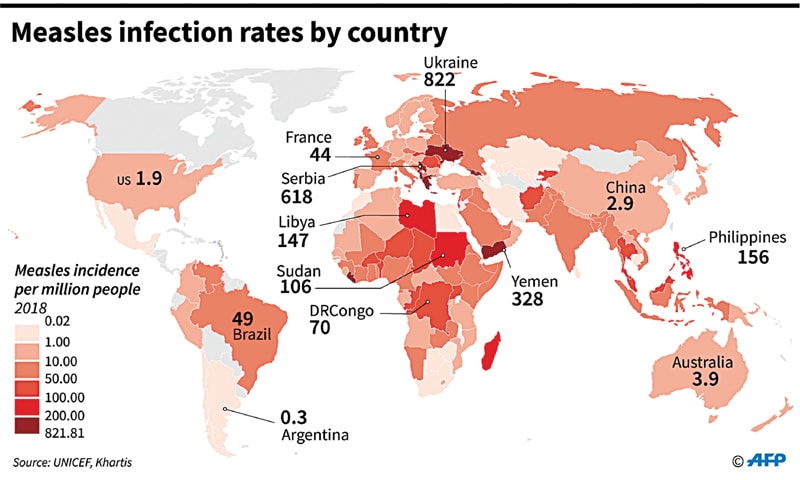
Even with all the proof and extensive research proving Wakefield a fraud and his theory incorrect, people still continue to not vaccinate their children because of the small chance they might develop autism. Even though there is a cheap vaccine for measles, there were still 110,000 deaths in 2017. This then, increased to 140,000 in 2018, although the US was completely eradicated in 2000 due to the vaccine. Measles infects the respiratory tract and is spread by direct contact and droplet nuclei. When someone with measles passes through an area, the infection remains on a surface or in the air for up to two hours, causing infection to anyone who goes through. Vaccines are highly effective and are harmless, meaning Andrew Wakefield’s study caused many problems to the world.

Who am I??

Hello!

My name is Alanna, and I am a 20 year old, junior at the University of North Carolina at Chapel Hill. I grew up in Charlotte, North Carolina and have always been a Tarheel at heart. My major is Exercise and Sports Science, as I am a true lover of exercise and doing good for my body. I love to run and last year in February, I ran the Hilton Head Marathon. Along with being outside, I love to spend time with my dogs. When I’m at home in Charlotte, I often take my Golden Retriever to the greenway for long walks.

My First Blog Post

Be yourself; Everyone else is already taken.

— Oscar Wilde.

This is the first post on my new blog. I’m just getting this new blog going, so stay tuned for more. Subscribe below to get notified when I post new updates.

Introduce Yourself (Example Post)

This is an example post, originally published as part of Blogging University. Enroll in one of our ten programs, and start your blog right.

You’re going to publish a post today. Don’t worry about how your blog looks. Don’t worry if you haven’t given it a name yet, or you’re feeling overwhelmed. Just click the “New Post” button, and tell us why you’re here.

Why do this?

  • Because it gives new readers context. What are you about? Why should they read your blog?
  • Because it will help you focus you own ideas about your blog and what you’d like to do with it.

The post can be short or long, a personal intro to your life or a bloggy mission statement, a manifesto for the future or a simple outline of your the types of things you hope to publish.

To help you get started, here are a few questions:

  • Why are you blogging publicly, rather than keeping a personal journal?
  • What topics do you think you’ll write about?
  • Who would you love to connect with via your blog?
  • If you blog successfully throughout the next year, what would you hope to have accomplished?

You’re not locked into any of this; one of the wonderful things about blogs is how they constantly evolve as we learn, grow, and interact with one another — but it’s good to know where and why you started, and articulating your goals may just give you a few other post ideas.

Can’t think how to get started? Just write the first thing that pops into your head. Anne Lamott, author of a book on writing we love, says that you need to give yourself permission to write a “crappy first draft”. Anne makes a great point — just start writing, and worry about editing it later.

When you’re ready to publish, give your post three to five tags that describe your blog’s focus — writing, photography, fiction, parenting, food, cars, movies, sports, whatever. These tags will help others who care about your topics find you in the Reader. Make sure one of the tags is “zerotohero,” so other new bloggers can find you, too.